Trust has already become a currency of online business in the modern digital environment. The web and mobile applications are no longer convenient tools, but they are a gateway to personal sensitive information, money, and important communications. Users of these platforms demand high levels of security, transparency, and reliability, and any violation of these values can be long-term. One of the best methods of creating and sustaining this trust is through secure identity verification.
The identity verification is not just a regulatory or a formality in the onboarding process. It is a safety net layer that provides assurances to all users, partners, or employees who access your platform that they are who they say they are. In the case of any business that involves the interaction of users, money, or any other sensitive data, the implementation of identity verification into the structure of applications serves not only to decrease risk but also to increase the confidence of users and stakeholders.
The Increasing Significance of Digital Trust
With the digital platforms still becoming a part of our lives, security breaches, identity fraud, and phishing attacks have developed to a higher level. As a result, users are no longer willing to disregard poor security practices, and any unpleasant encounter, such as identity theft or account breach, can easily damage the trust and reputation of a brand.
Firewalls and encryption are not the only types of digital trust. Although technical means, like HTTPS, multi-factor authentication, and secure data storage, are needed, they cannot be efficient without guaranteed user identity. The users would like to be assured that the site they engage with has checked-in members and that it is also integrity-based in all its transactions and communications.
In the case of businesses, this trust means greater retention rates and a more comfortable user onboarding process, as well as an improved reputation in the eyes of investors, partners, and regulators. Demonstrated secure identity practices are also becoming a point of differentiation in such industries as fintech, healthtech, e-commerce, and digital services.
The nature of Identity Verification
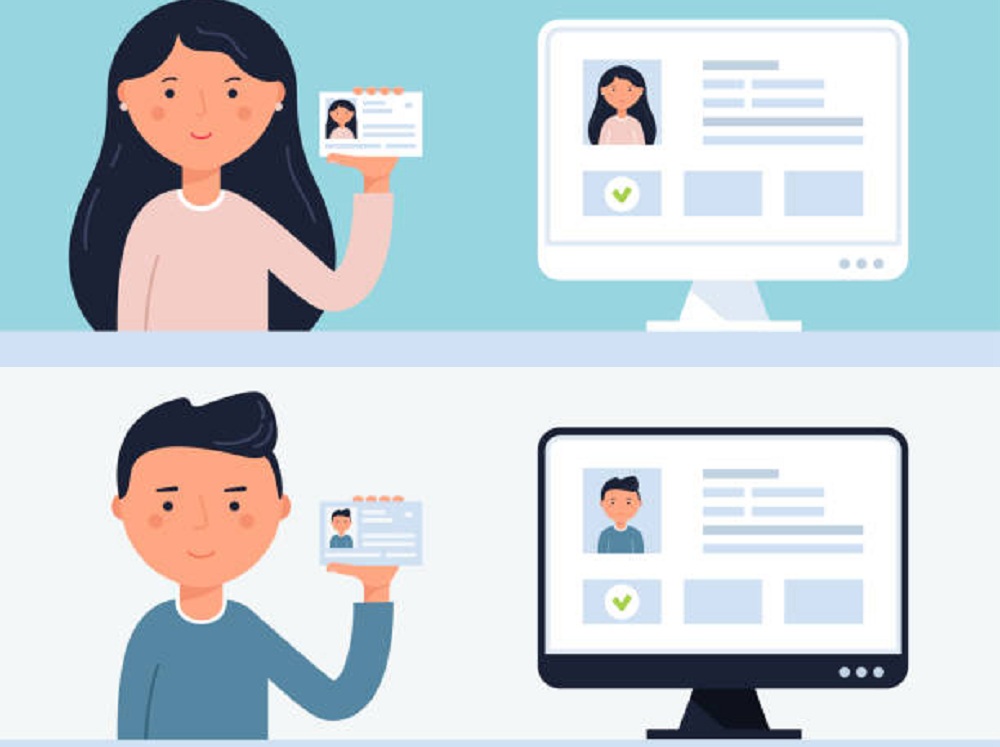
Identity verification means ensuring that the individual or an organization is who he or she says he/she is. Such may involve verification of official documents, reference with known databases, biometric authentication, or a quadruple or triple check to verify more security.
In the case of mobile and web apps, verification is usually carried out when creating an account, making money transfers, or using other features that require higher security. The business can avoid fraud, unauthorized access, and misuse of services by validating the identity of the individual using the services at the preliminary and subsequent stages.
Contemporary identity verification systems use real-time verification and AI-assisted document verification, and secure API connections to automate the processes. This not only eases the manual work but also creates a smooth user experience with those who would otherwise have been put off by the onboarding process.
Increasing User Confidence
Users will be more inclined to use a particular platform only when they understand that the service ensures the safety of identity verification and allows them to be more open and share some sensitive information. Take an example of a fintech application: when people are sure that it does not allow fraudsters to exploit their funds and hackers to steal their accounts, they are more likely to trust the platform and commit money to it.
Identity verification is also secure to avoid impersonation attacks. The power to identify the identities ensures that markets and social sites are not used to defraud customers and make the community a safer place to be. This will result in loyalty, positive reviews, and organic growth in the long run.
The checking of Identity in Web and Mobile application architecture
Various technical aspects are used when integrating identity verification into digital applications. The developers should make sure that the verification processes are:
- Flow Fluent: The verification must not cause frustration to users. Mobile apps, especially, enjoy such characteristics as document capture with the use of cameras and checking the biometric data, which operate in the background.
- Secure: Data on verification has to be encrypted during transit as well as at rest. API calls to verification services are supposed to be authenticated using stringent measures.
- Scalable: The verification solutions must be scalable to accommodate the increasing number of users without negatively affecting performance.
- Regulatory-Compliant: These systems should be regulatory-compliant, conforming to privacy laws and regulations, and also the users must be given control over their personal data.
The identity verification is a non-static need, a vital aspect of the digital infrastructure, and it is employed by the apps with their built-in capabilities, making them more confident and resilient.
Real-Time Checking and Fraud
Real-time processing is one of the greatest opportunities for contemporary identity verification solutions. Delay in manual verification is another common technique of fraudsters, who open up chances of counterfeit accounts or fraudulent transactions. Document validation solutions, cross-check databases, and biometric analysis decrease the time window that fraudsters can operate in real time through automation.
Mobile apps are one of the most useful applications of real-time verification, as users need to create an account instantly and access the services. It enables companies to balance speed and security with a frictionless experience and the security of the business and users.
Verification of Identity as a Differentiator
Platforms that focus on safe identity verification are unique in competitive markets. Protection of personal information and fraud prevention increases the chances of users preferring services that ensure the protection of their personal information. Equally, investors, business associates, and business clients will like to work in places where there is a clear, verifiable verification procedure.
Incorporating identity checks into the product design ensures that businesses demonstrate that security and trust are central values, and this can have a direct influence on user adoption and retention rates. It also preconditions the creation of the international level of scale, where the regulatory requirements and the expectations of the user can be even greater.
Conclusion
The concept of digital trust is not an option any longer, but it is an essential part of a successful web and mobile application. Not only are they secured through identity verification, but also the trustworthiness and durability of the very platform is enhanced. Businesses reduce fraud risks, ensure regulatory compliance, and establish long-term trust with users, partners, and investors by establishing strong verification practices.
In the world of data breaches and impersonation attacks, making an investment in secure identity verification is a strategic move that will have a positive impact on the business and the individuals who will use it. The platforms that adopt this strategy are better placed to succeed in the ever-competitive and digitally driven markets.